

1. Introduction: The Age of Interdisciplinary Data Literacy
For generations, the boundaries of professional careers were clearly drawn and rarely crossed. If you studied law, your assets were dusty legal books, binders of case files, and the power of rhetoric. If you went into medicine, you spent years memorizing biological pathways, anatomy, and surgical steps. If you pursued commerce, your world was defined by ledgers, spreadsheets, and taxation textbooks. These professions operated in silos, each with its own language, values, and traditions. Technology was viewed as an administrative utility—a word processor, a basic email client, or a calculator.
That structured world is disappearing. We have entered an era where computational power, cloud architecture, and artificial intelligence have unified different fields under a single currency: data. Every transaction, every patient symptom, and every contract revision creates a digital footprint. Modern organizations are no longer asking if they should use data; they are struggling to process the flood of information they already generate.
Data literacy is no longer just for software engineers or statisticians. Just as reading and writing became necessary skills for the industrial economy, the ability to read, analyze, and communicate with data has become the core literacy of our digital economy.
Consequently, the professional of the future must be a hybrid thinker. Relying on traditional knowledge alone is no longer enough to build a resilient career. The modern job market values professionals who can combine domain-specific expertise—whether in legal advocacy, clinical medicine, or financial auditing—with data science capabilities. Aptech India, as a technology education partner, is helping students and professionals navigate this shift and build these modern skills.
2. Data Science for Law Students: The Rise of Legal Technology and Legal Analytics
The legal sector is historically slow to change, relying heavily on precedent and qualitative judgment. However, law firms and corporate legal departments are now undergoing a technology-driven evolution. The digitizing of court archives, the growth of electronic discovery (e-discovery), and the sheer volume of corporate transaction documents have made manual legal review unsustainable. The modern lawyer is turning to legal technology and data tools to manage this information.

Why Future Lawyers Need Data Science Skills
When a corporation faces litigation, the discovery process often involves analyzing millions of internal emails, memos, and Slack logs. Hiring a team of junior associates to read each document manually costs millions of rupees and takes months. Lawyers who understand data science can use automated filters, search scripts, and machine learning models to identify key evidence quickly. Furthermore, as data regulations and algorithmic bias become major compliance concerns, corporate counsel must understand how these systems work to advise their clients effectively.
Data Analytics in Modern Legal Practice
Legal analytics platforms analyze docket records to build behavioral profiles of judges, opposing counsels, and jurisdictions. By evaluating historical decisions, these systems help lawyers answer strategic questions with empirical evidence:
- What is the statistical likelihood of this judge granting a motion to dismiss in a patent dispute?
- Based on historical settlement rates, is the opposing counsel likely to settle before or after initial depositions?
- Which precedents have the highest citation and success rate in this specific appellate court?
By backing their strategies with data, lawyers can offer clients clear risk assessments and structured recommendations, replacing guesswork with analytical insights.
Natural Language Processing (NLP) is the computational field that enables software to read and interpret human language. In legal analytics, NLP algorithms identify the relationships between legal concepts, statutes, and citations, helping research engines find relevant precedents even when the text does not match exact search terms.
How AI is Transforming Legal Research
Traditional legal research databases required precise search commands to locate cases. Modern, AI-powered legal platforms analyze search queries conceptually. They read judicial opinions to understand context, analogies, and legal theories. This allows lawyers to identify rare rulings that keyword searches might miss, reducing research times and providing stronger support for legal arguments.
Predictive Analytics in Litigation
Predictive models analyze variables from thousands of historical lawsuits—such as the filing location, case type, judge, and companies involved—to calculate the probability of success. Corporate legal departments use these systems to estimate litigation costs and evaluate settlement offers, helping organizations protect budgets and manage legal risks.
Data Science for Corporate Lawyers
In mergers and acquisitions, corporate lawyers must conduct due diligence by reviewing contract portfolios for liabilities. AI contract review tools automate this by scanning thousands of agreements to locate specific clauses, such as change-of-control provisions or indemnification limits. For regulatory compliance, lawyers use compliance analytics platforms to monitor transaction histories and communications, identifying insider trading patterns or violations before regulators intervene.
With regulations like the EU AI Act and global data privacy frameworks in place, corporate lawyers are increasingly called upon to audit automated systems. This requires an understanding of bias, data lineage, and model transparency.
Legal Tech Careers: Where Law Meets Data
The intersection of law and data science is creating several emerging career pathways:
- Legal Data Analyst: Professionals who analyze court records, contract data, and firm billing registries to improve operations and litigation strategies.
- Legal Technology Consultant: Advisers who help firms select, deploy, and customize e-discovery and contract management platforms.
- AI Compliance Specialist: Analysts who ensure that an organization’s proprietary algorithms and data practices comply with global consumer protection laws.
These roles require a unique combination of legal knowledge and technical literacy, offering alternative career paths for modern law graduates.
AI, Compliance, and Regulatory Analytics
Regulatory monitoring has evolved beyond simple audits. Modern compliance programs use machine learning models to flag anomalies in real-time transactions. By setting up continuous monitoring scripts, corporate lawyers can ensure compliance with environmental regulations, financial rules, and data safety laws, building proactive risk management systems.
3. Medical Data Science and AI in Medicine: Shaping the Future of Healthcare Analytics
Medicine is transitioning from a clinical approach based on qualitative observation to a data-intensive field. Modern hospitals, wearable sensors, and genomic sequencing technologies generate massive amounts of clinical data. Future medical professionals will not just work with stethoscopes and scalpels; they will interact with AI-driven diagnostics, predictive models, and clinical decision support engines. Healthcare analytics is changing the patient care landscape.

Why Medical Students Should Learn Data Science
Medical research is increasingly dependent on complex datasets, survival models, and clinical trials driven by machine learning. Without a foundational understanding of data science, future physicians will struggle to evaluate new research papers, assess the limits of clinical tools, or explain AI diagnostics to their patients. Data literacy is becoming essential for doctors to evaluate research and deliver safe, informed clinical care.
AI in Healthcare: What Future Doctors Must Know
AI is being integrated directly into daily clinical workflows. Natural Language Processing systems listen to patient-doctor consultations and automatically draft clinical notes in the Electronic Health Record (EHR). This reduces administrative workloads, allowing doctors to focus on patient interaction. In critical care units, predictive models monitor vitals in real time, flagging subtle signs of patient decline—such as sepsis or respiratory failure—hours before physical symptoms appear.
“Data is becoming as critical to modern medicine as the physical examination. Physicians who can navigate data platforms can deliver more precise, proactive, and personalized care.” — Dr. Sandeep Krishnan, MD & Informatics Fellow
Predictive Healthcare Analytics Explained
Predictive healthcare analytics involves analyzing historical patient records, laboratory results, and lifestyle data to project outcomes. For example, risk engines calculate the likelihood of a patient returning to the hospital within 30 days of discharge. This helps clinicians identify high-risk individuals and provide targeted follow-up care, reducing readmission rates and improving recovery.
Medical Diagnosis and Data Science
Diagnostic analytics has made significant progress, particularly in medical imaging. Image processing algorithms analyze X-rays, CT scans, and MRIs to identify potential abnormalities, such as early-stage lung tumors, brain hemorrhages, or skin lesions. Rather than replacing radiologists, these tools act as initial screening systems, flagging urgent cases for immediate review and helping diagnostics teams improve speed and accuracy.
Personalized Medicine Through Data Analytics
The traditional “one-size-fits-all” approach to therapeutics is giving way to precision medicine. By matching a patient’s genomic profile, lifestyle factors, and environmental exposures against global clinical databases, data analytics systems help doctors customize treatments. In oncology, pharmacogenomic models analyze genetic data from tumors to predict how a patient will react to specific chemotherapies, helping doctors maximize efficacy and minimize side effects.
Clinical Decision Support Systems (CDSS)
EHR platforms now include integrated CDSS tools. These databases act as digital copilots, analyzing doctor inputs in real time to flag potential drug-drug interactions, patient allergies, and recommended clinical guidelines. Understanding the data structures behind these systems helps doctors participate in updating clinical rules engines and maintaining system safety.
Future of Healthcare: Doctors and AI
The future of healthcare lies in the partnership between human clinical judgment and machine computing speed. AI systems excel at pattern recognition in large datasets, while human doctors bring empathy, contextual understanding, and ethical judgment. Doctors who learn to collaborate with AI tools will be able to provide higher quality, more personalized care.
Medical Research Powered by Data Science
Epidemiological research and clinical trials rely on data platforms to gather insights. Researchers use data science to run simulated patient trials, identify target molecular compounds for drug development, and track global disease patterns. This helps accelerate drug development timelines and supports public health planning.
4. Data Science for Commerce Students: Financial Analytics, Auditing, and Business Intelligence
The commerce world is evolving past manual ledger entries and basic spreadsheet models. Today, businesses make decisions based on real-time transaction streams, customer behavior metrics, and predictive market datasets. Commerce graduates must develop data science capabilities to compete for roles in modern financial institutions, accounting firms, and management consultancies.
Why Commerce Students Should Learn Data Science
While spreadsheets are standard business tools, they are limited when analyzing massive transaction databases. Professionals who can write SQL queries, build Python scripts, and create interactive dashboard visualizations can clean data, automate reports, and uncover insights that manual analysis might miss. These capabilities help commerce graduates deliver data-backed recommendations to management teams.
Data Science for Accounting Professionals
Accounting analytics is shifting the profession’s focus from historical record-keeping to forward-looking advisory services. Machine learning models automate ledger reconciliation, categorize expenses, and flag duplicate invoices. In audit firms, instead of checking sample receipts at the end of the year, auditors use continuous script pipelines to check full datasets, identifying fraud and transaction anomalies instantly.
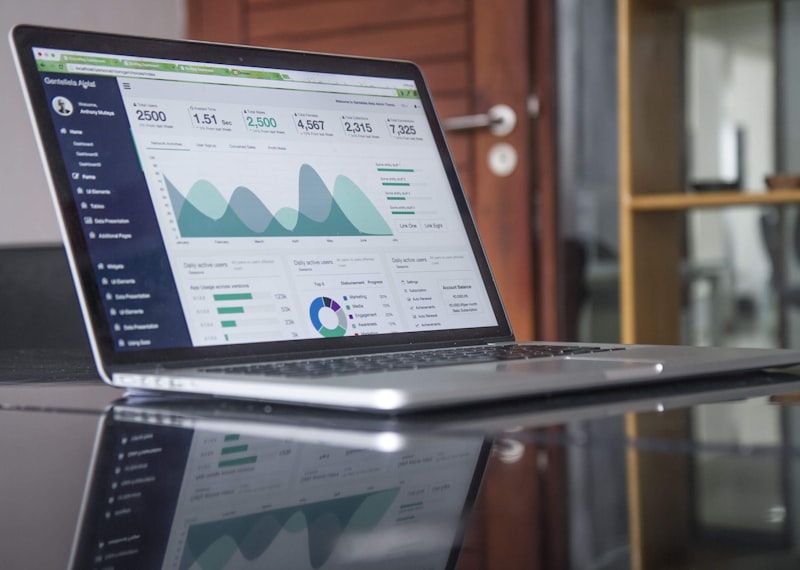
BI tools like Tableau and Power BI connect operational data across marketing, sales, and inventory databases, displaying performance metrics in unified dashboards for management review.
AI and Data Analytics in Finance
Financial institutions rely on financial analytics to guide investments, evaluate risks, and protect transactions. Machine learning models evaluate credit risk by analyzing transaction histories and utility payment patterns, providing options for individuals without traditional credit histories. In transaction banking, real-time fraud detection systems check payment feeds to identify and block suspicious transfers instantly.
GST, Taxation and Data Analytics
India’s tax infrastructure—driven by the Goods and Services Tax Network (GSTN)—uses data analytics to identify tax evasion. The system cross-references tax filings across supply chains to detect mismatching claims. For businesses, tax analysts use data tools to manage compliance across locations, optimize tax strategies, and prepare audit trails, protecting companies from compliance penalties.
Financial Analytics Careers
Data skills open up several emerging pathways for commerce graduates:
- Financial Data Analyst: Professionals who analyze market data and internal records to identify growth opportunities and cost efficiencies.
- Risk Analyst: Specialists who build quantitative models to evaluate market, credit, and operational risks.
- Forensic Accountant: Experts who write algorithms to identify financial fraud, money laundering, and asset theft.
These roles offer higher starting salaries and long-term career growth compared to traditional record-keeping positions.
Data Science for Auditors
The audit process is shifting from manual sampling to full ledger reviews. By using Python and SQL scripts, auditors can verify data consistency across disparate corporate databases, ensuring that financial reports represent actual operations and helping companies manage internal controls.
Future of Accounting in the AI Era
As routine compliance tasks are automated, accountants will take on advisory roles. They will interpret financial insights, build forecast models, and guide corporate strategy. Commerce graduates who combine financial knowledge with analytical capabilities will be well-positioned to lead this shift.
5. Why Learning Data Science Today Creates Future-Ready Professionals
The integration of technology into traditional domains shows that data science is no longer a specialty skill—it has become a core competency across industries. Whether you are building a career in corporate litigation, clinical care, or financial management, data skills are essential to remain competitive.
Students who combine domain expertise (like legal reasoning, medicine, or accounting) with data literacy have a clear advantage. In the modern job market, the most valuable professionals are “translators”—those who understand the practical realities of their field and can build data models to solve complex problems. These hybrid professionals are highly sought after by modern employers.
Key Takeaways for Future-Ready Careers
- Broad Application: Data science is active across professional sectors, from courtrooms and hospitals to financial institutions.
- Informed Decisions: Analytical tools allow professionals to back strategic choices with empirical evidence, reducing reliance on qualitative estimates.
- Automated Workflows: Using data tools to automate document review, medical notes, and accounting reconciliations allows professionals to focus on strategic, high-value tasks.
- New Pathways: The combination of domain knowledge and technology has created high-demand roles like Legal Tech Consultants, Clinical Informaticians, and Forensic Data Analysts.
- Proactive Learning: Developing skills in SQL, Python, and BI systems helps students prepare to lead innovation in their chosen fields.
Preparing for these opportunities requires hands-on, practical training. Aptech India helps students and professionals build these technical capabilities. Through structured, beginner-friendly programs, you can learn SQL, Python, Power BI, and machine learning, helping you prepare for tomorrow’s careers.